January 2026 Newsletter | Save Sunshine Shelter Kids

Welcome To February Newsletter

Rescue β€’ Education β€’ Empowerment β€’ Advocacy

π‡πˆπ†π‡π‹πˆπ†π‡π“π’ π…π‘πŽπŒ π…π„ππ‘π”π€π‘π˜

Celebrating the impact of February’s transformative programs and inspiring initiatives

50–70

children attend street outreach

8

Children rescued and resettled

12

Preventive interventions conducted

62

Children in day and boarding school

Hello, Everyone!

Welcome to February Newsletter. Giving children safety, knowledge, confidence, and a voice, and celebrating the remarkable impact of February’s programs and initiatives. This edition showcases key updates, the progress of our programs, and the ongoing impact on the lives of the children we serve. From education and health to daily life at the shelter, Febraury was a month of growth, resilience, and renewed dedication. We invite you to spend a few moments exploring the full newsletter to see how your support continues to transform lives


𝐒𝐇𝐄𝐋𝐓𝐄𝐑𝐒

School activities Newsletter Images

With several boys and girls now attending day school, life at the shelter has become bustling and full of new routines. The children rise as early as 4:30 a.m., embarking on a busy morning ritual that includes bathing, ironing uniforms, brushing, and polishing shoes. These tasks, though time, consuming, especially given the shared bathroom facilities help the children gradually adapt to a structured lifestyle and prepare them for the demands of school life. To accommodate this change, the shelter program has undergone thoughtful adjustments. Meals are now prepared earlier, ensuring that the children return from school to a ready meal. Continuous care and supervision remain a top priority, including specialized attention for a child living with epilepsy. While initially unfamiliar, the other children have grown in understanding and empathy, learning how to support one another in new ways.

Living in a communal environment naturally brings disagreements, particularly around shared resources. These challenges are met with consistent, patient dialogue and guidance. The children are encouraged to collaborate, problem solve, and understand the value of respect and community. Over time, this nurturing approach has led to a noticeable improvement in behavior, with children forming friendships, supporting each other, and developing a strong sense of belonging.

While the journey requires patience, it is deeply rewarding to witness the children gain confidence, trust, and security within the shelter. Structured leisure time, like television viewing on Sundays after lunch, provides moments to relax and bond before the weekly evening meeting.

Challenges remain, including a shortage of mattresses, with at least ten children currently sharing beds. Budget constraints have also led to careful adjustments, such as modifications to breakfast and snacks, in order to cover compulsory evening lessons for children in Primary Five, Six, and Seven. Through clear communication, the children are learning to understand and adapt to these necessary changes.

School plays a vital role in the children’s rehabilitation. Monday through Friday, they attend school, with Saturday sessions ending by 7:00 p.m. To ensure safety, the shelter pays the school gatekeeper to escort the children back, preventing unnecessary wandering and keeping them secure. While a school van was considered, budget constraints made it unfeasible.

Homework has become an essential tool for discipline and engagement. With more than 30 questions to complete each day, the children remain focused, helping to manage their energy and maintain quiet after school. Evening routines at the shelter reinforce the values and lessons learned during the day, helping children adjust to rules, regulations, and the importance of silence an ongoing process for those transitioning from life on the streets.

Through these structured routines, supportive guidance, and educational engagement, the children are making significant strides in their personal growth. Every day brings new lessons in responsibility, cooperation, and resilience foundations that will guide them toward a brighter, more secure future.

Newsletter Images

A Glimpse Into Our Boys Shelter Life

Morning routine School activities Evening homework


π„πƒπ”π‚π€π“πˆπŽπ / π•πŽπ‚π€π“πˆπŽππ€π‹ π“π‘π€πˆππˆππ†

It has been just over two months since the new academic term began. Most of our children joined school a little late, missing only a few weeks of lessons, and we are happy to report that the majority are now fully attending. A few new secondary students are still completing registration and settling fees, but they are catching up steadily.

Our senior students have shown great dedication and resilience. Senior Four students performed exceptionally well in their exams, with some choosing to pursue skills training programs to build practical careers. Senior Six students also did admirably, and those needing extra support, particularly in mathematics, are receiving additional help. Four children repeated their classes to strengthen their English skills, and they are now progressing with confidence.

Partial payments toward school fees have helped our children continue their studies, although challenges remain, especially with the cost of uniforms and materials. University students have received partial payments, with the remaining balances planned to be cleared before exams as required by the school or university.

This term, three boys were unable to join boarding school due to an unexpected change in exam fee deadlines, which added financial pressure. Despite this, our operations continue smoothly, thanks to understanding schools and careful planning a huge portion has been cleared for the different children. The total outstanding balance across all schools currently stands at approximately $3900.

To support learning, all primary children are attending extra evening lessons, reinforcing their classroom education. As we approach the mid-term exams, we will continue closely monitoring each child’s progress to ensure they receive the guidance and support they need to thrive.

It is more than exciting to us,it is deeply rewarding to see children from the most difficult circumstances dare to dream and work hard to achieve those dreams. And beyond that, seeing them dressed in uniforms, filled with unimaginable hope and ambition, inspires us to do even more. We understand the power of belief, because we have seen firsthand what happens when someone believes in a child and the incredible outcomes that belief has produced over the years.

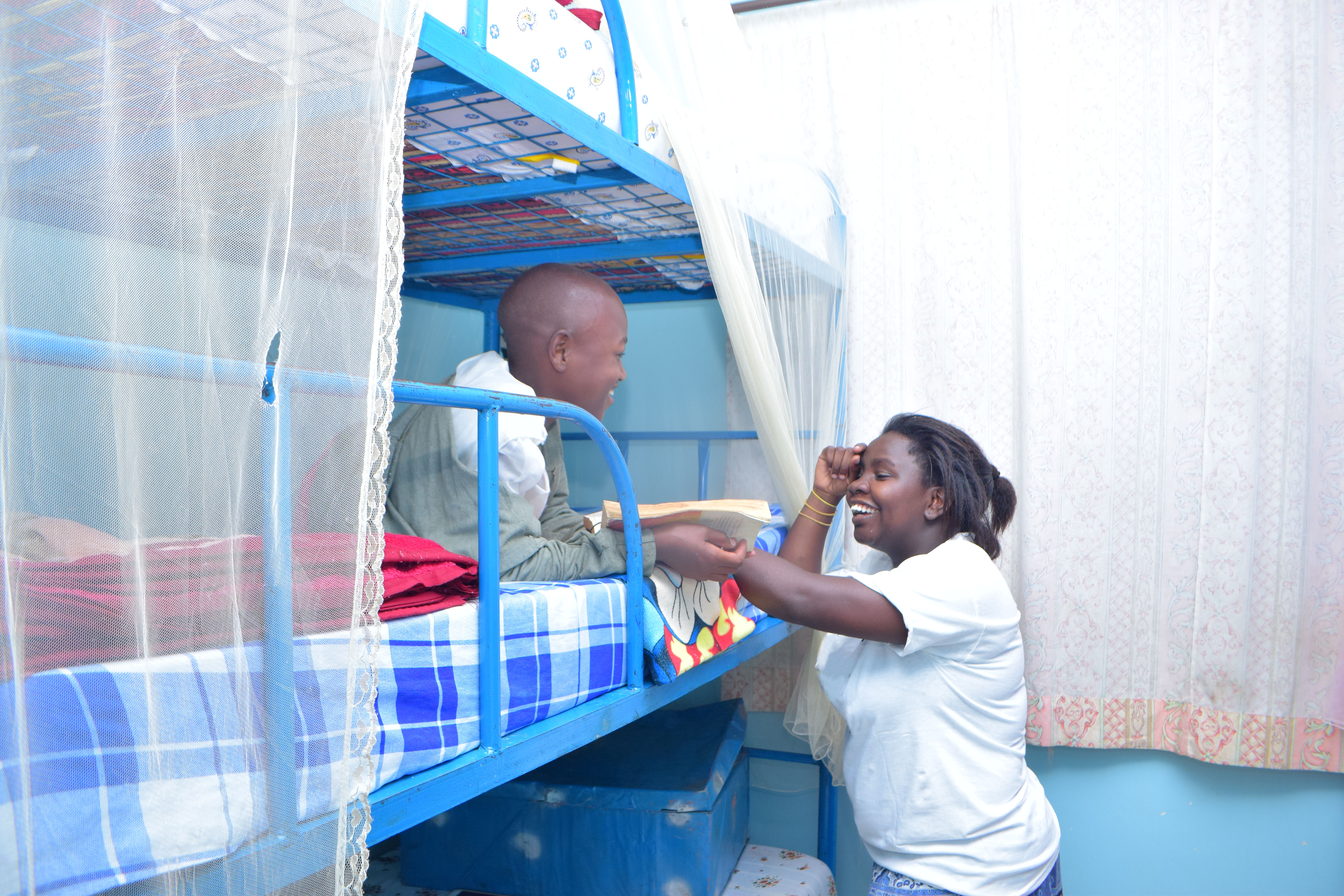
Children in classroom Students studying Children in classroom Students studying Children in classroom Students studying
Resettlement Widget

Image 1

Children gathered around Hajara as she spoke with them, collecting information about their families and villages in preparation for upcoming visits, with the goal of resettling them.

Image 1

𝐒𝐓𝐑𝐄𝐄𝐓 πŠπˆπƒπ’ ππ‘πŽπ†π‘π€πŒπ’

Our street programs continue to operate twice weekly, maintaining their regular schedule. However, several location related challenges have persisted. Notably, one of our primary sites was recently affected by a fire in a trading center, an incident widely reported in local media. The program area had been situated behind this location. These disruptions are closely linked to broader city developments and preparatory work for upcoming construction projects.

As a result, program durations have been reduced and are no longer as extensive as initially planned. On a positive note, the proximity of a water source has been invaluable, allowing the boys to bathe and wash their clothes, thereby significantly improving personal hygiene.

Ongoing regulatory constraints and increased oversight by city authorities have also affected our operations. It is no longer feasible to use the local church previously employed as a program site. Consequently, we now hire a tent twice weekly to continue our activities.

Recruiting and gathering the boys has become increasingly challenging. Where they were once familiar with a fixed location, we now meet early in the morning, often before 6:00 a.m., and walk together to the program site, arriving around 10:00 a.m. when activities begin.

In the past two weeks, on-site meal preparation has not been possible, necessitating the purchase of ready-cooked food. This has increased operational costs, particularly since shortened program hours limit our ability to cook and serve meals as previously done. Previously, programs would run from morning until as late as 3:00 p.m., depending on the boys’ arrival times.

This week, we invited Thomas, a former street connected child, to participate in the program and share his personal journey as a source of inspiration. Some of the boys were already familiar with him and quickly connected with his story. Engaging rehabilitated or transformed individuals in this way, typically at the end of each month, serves as a valuable motivational tool for those still struggling. While highly beneficial, this approach can be sensitive, as some boys may feel overlooked, a particular concern among street-connected children.

Continuous engagement and open dialogue remain essential to supporting each child effectively. However, substance abuse, particularly the inhalation of aviation fuel, continues to significantly impact participation. Many boys arrive in a severely weakened state, often only able to rest, which limits their engagement and poses additional health risks despite their otherwise resilient physical condition.

Within the program, it remains a standing guideline that children under the influence of substances are not fully integrated into activities due to limited participation capacity, potential behavioral conflicts, and hygiene concerns. During the rainy season, we have adopted a more flexible approach, allowing affected individuals to remain in designated areas at the back, ensuring they are included in a limited capacity.

Despite the presence of multiple programs operating across different areas, aimed at reducing street-connected activity, the situation remains concerning. The number of children on the streets continues to grow, in some instances exceeding initial expectation.


π€πƒπ•πŽπ‚π€π‚π˜

In recent months, three key meetings and workshops have been convened to address issues affecting street children, primarily involving the police and community stakeholders. Two of these sessions were organized by the Kampala Capital City Authority (KCCA), while the third was facilitated by a private organization operating across multiple districts. Participating organizations contributed fees to support these workshops and broader awareness initiatives.

Several months ago, we engaged with local police stations to advocate for the release of street-connected boys who had been arrested during political campaigns and related clashes. Many of these children were caught in challenging circumstances beyond their control, making them unintended victims of the prevailing political environment. Collaborative efforts were undertaken to attend court hearings on their behalf, aiming to understand the legal processes involved and identify appropriate avenues for their release

A follow-up meeting is scheduled for May, during which we hope to secure the release of at least 13 boys, contingent upon their continued engagement in programs and avoidance of street life.

The workshops also focused on broader social challenges that undermine the reintegration of street children into their homes and communities. Social workers and community members highlighted how urban development and evolving city dynamics often push vulnerable children back into communities already affected by gangs and other social pressures. Tragically, at least three children have reportedly lost their lives due to incidents of mob justice.

While security remains a priority, discussions revealed significant disagreement regarding how to best address these challenges, particularly in areas experiencing high rates of theft and gang activity. Many participants felt constrained in openly expressing their views and instead contributed feedback anonymously in written form. These contributions were collected and reviewed, although no definitive resolution was reached. Police representatives recommended further consultations with broader stakeholder involvement, which we anticipate will take place in May.

In the interim, we have implemented a temporary measure to provide safe overnight accommodation for street children by renting local cinema halls. Children are required to follow program rules, avoid conflicts, and vacate the premises by 8:00 a.m. While this is not a permanent solution, it represents a practical step toward ensuring the safety and well-being of the children as we continue to explore sustainable interventions.

Children in classroom Students studying
Health Care Update Newsletter

𝐇𝐄𝐀𝐋𝐓𝐇 𝐂𝐀𝐑𝐄

Students studying

The children in our programs continue to faceoccasional health challenges,, particularly malaria, flu, coughs, and urinary tract infections. These conditions are most prevalent during the school term, largely due to the use of overcrowded school sanitation facilities and unsafe drinking water.

Additionally, the consumption of un-boiled water at school contributes to these health concerns. This issue is particularly significant among the boys, who frequently struggle to carry water bottles from the shelter to school, increasing their reliance on unsafe drinking water.

As a result of these recurring health challenges, medical expenses have risen significantly beyond the previously agreed upon limit established with the doctor providing care for the children. This increase has affected the timeliness and consistency with which each child is able to receive medical treatment. While a fixed financial cap was set for medical services, the current circumstances have placed considerable strain on this arrangement.

We kindly request your prayers for three girls recently diagnosed with HIV. They were referred to the program by the Senior Women Representative of Makindye Division. One girl disclosed abuse by her stepfather, while the other two were born with the condition. The children were referred to a specialized HIV/AIDS center and are expected to return to the shelter after six months of counseling.

Receiving this news has been extremely challenging for both the children and our team. The girls were referred to a specialized HIV/AIDS centerto ensure they receive appropriate care and support. One of the girls disclosed that she had been abused by her stepfather, while the other two were born with the condition. The children initially stayed at the shelter for approximately two weeks, after which a social worker from Mulago Hospital arranged a more suitable placement. They are expected to return to the shelter after six months of intensive counseling.

We humbly request that you keep these girls in your prayers, that they may come to terms with their diagnosis, find healing, and experience strength and peace as we continue to walk alongside them on their journey.

Students studying
𝐂𝐄𝐍𝐓𝐑𝐄𝐒 School activities

𝐂𝐄𝐍𝐓𝐑𝐄𝐒

All remaining centres utilized for program activities continue to remain operational, although a number of them are experiencing various challenges. The current arrangement of biannual rent payments has proven to be highly beneficial, contributing significantly to the continuity and stability of the programs.

With regard to the women’s wing, efforts are ongoing to identify a suitable location, preferably within a secure, fenced environment. Such a setting would enhance accessibility, privacy, and overall safety, thereby encouraging greater participation. This is particularly important, as many women have expressed fear and discomfort, especially when engaging in HIV/AIDS-related programs and campaigns.

The hideout centres and library facilities are generally in fair condition, although some renovations remain pending. Due to their location in wetland areas, these structures are occasionally affected by water intrusion, impacting both the walls and the furniture and materials within the rooms.

Despite these challenges, all centres remain functional and continue to play a vital role in supporting program activities.

School activities

PRAYER REQUESTS

Hope and Shelter for Street Children

We are trusting God to help raise $4,000 to make this sanctuary a reality. Ask for His blessing on our team and that the centre becomes a place of protection, healing, and restored hope.

Wisdom in Restoration and Boundaries

Pray for boys who wish to return to the program after stepping away. Each situation requires careful consideration due to safety and program structure. Ask for God’s guidance, protection, and discernment for our team as we balance grace with necessary boundaries.

Faithful Stewardship and Protection

Please pray for wisdom as we manage the resources entrusted to this ministry. Pray for growth in responsibility, integrity, and respect among the boys, as well as unity and peace within the shelter community. Pray for the establishment of our Street Kids Drop-In Centre, providing shelter, counseling, and learning space.

Provision for School Fees and Materials

Please pray for God’s provision as we seek to raise $8,000 for school fees and learning materials for all children in our care. Pray that each child will be equipped, confident, and ready to thrive academically, and that supporters will be blessed for investing in their future.

Sustainable Monthly Support for Our Centres

Pray for committed monthly donors to help our centres grow and operate effectively. Currently, only the girls’ shelter rent is consistently funded. Pray for lasting financial partnerships and faithful supporters who ensure every child in our care is consistently provided for.

Protection and Safeguarding of Children

Pray for the safety and protection of all children in our care. Ask for God’s guidance, wisdom, and strength for our staff as they nurture and safeguard the children’s physical, emotional, and spiritual well-being.